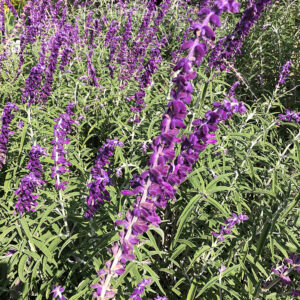
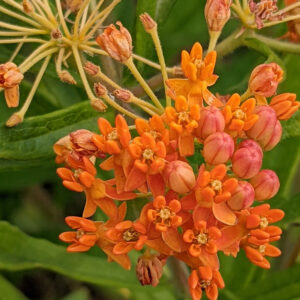
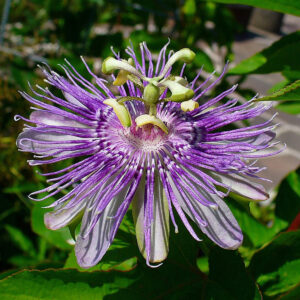
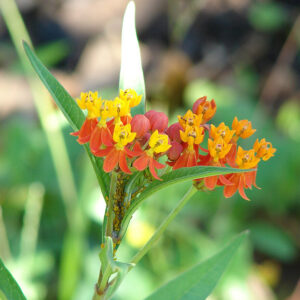
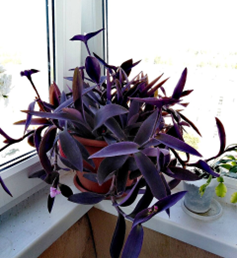
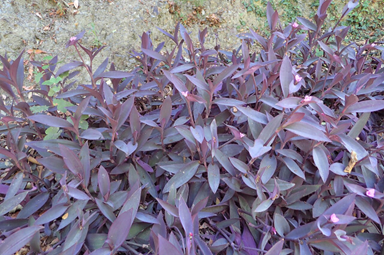
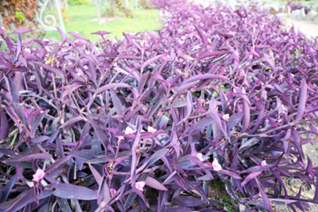
Welcome to our Pollinator-Friendly Plant Collection at Delta Rising’s Resilience Nursery. These plants are carefully selected to support bees, butterflies, hummingbirds, and other pollinators while creating vibrant, lively gardens.
Whether you’re planting a backyard patch, school garden, or community green space, these species help restore pollinator pathways and local ecosystems – all while adding color, fragrance, and natural beauty to your landscape.
Why Choose Pollinator-Friendly Plants?
Pollinators are critical to healthy ecosystems and food production. By planting pollinator-friendly species, you:
Provide essential nectar and pollen for bees, butterflies, and hummingbirds
Support biodiversity in local gardens and neighborhoods
Promote healthy, thriving ecosystems
Create visually stunning and dynamic outdoor spaces
With these plants, your garden doesn’t just grow – it comes alive with color, movement and life.
What You’ll Find in This Collection
1. Nectar-Rich Flowers
Plants bursting with nectar to attract butterflies and hummingbirds throughout the year.
2. Pollinator-Friendly Shrubs
Offer shelter, food, and habitat for native bees and other beneficial insects.
3. Flowering Perennials & Groundcovers
Provide continuous blooms and habitat for pollinators while adding texture and color.
4. Drought-Tolerant Pollinator Plants
Beautiful, low-water options that thrive in sunny, dry conditions while supporting pollinators.
All plants are grown with regenerative practices, ensuring strong roots and healthy plants ready to thrive in your garden.
Ideal For:
Pollinator-friendly gardens
School and community gardens
Low-maintenance, high-impact landscaping
Creating backyard habitats for bees and butterflies
Eco-conscious gardeners who want to make a difference
Whether you’re planting a small pollinator patch or a full garden, we’ll help match the right plants to your space.
How to Shop This Collection
Stock varies seasonally, so we recommend:
Step 1: Call to Check Availability
Confirm:
Current pollinator-friendly stock
Sizes available (4″ or 1-gallon)
Pricing
Pickup appointments
Step 2: Browse Online
Preview plant photos, sizes, and care notes before visiting here
Why Buy From Delta Rising?
 Locally grown and adapted to Orange County conditions
Regenerative, eco-friendly nursery practices
Affordable, community-centered pricing
Expert guidance for planting pollinator habitats
Strengthen pollinator pathways and biodiversity
Need Help Choosing Pollinator Plants?
Our team can help you select plants for:
Butterfly and bee gardens
School and community green spaces
Low-water, pollinator-friendly landscaping
Year-round nectar and habitat cycles
 Call us for personalized recommendations.
Ready to Attract Pollinators?
Contact us to check availability and schedule your nursery visit.
With the right plants, your garden can support wildlife, flourish naturally, and bloom with life.
Find bee plants, butterfly-friendly flowers, and hummingbird favorites grown locally in Garden Grove.